

empty
04.11.2026 10:22 AM
Oil retreats after Trump signals halt to Israel aid

This image is no longer relevant

Tuesday, November 3, proved volatile for oil markets, which swung sharply after a day of explosions and explosive political headlines. Brent and WTI both rocketed higher and then crumpled as markets digested a mix of military strikes, surprising policy twists, and voters' nerves.

Market tumbles after explosions

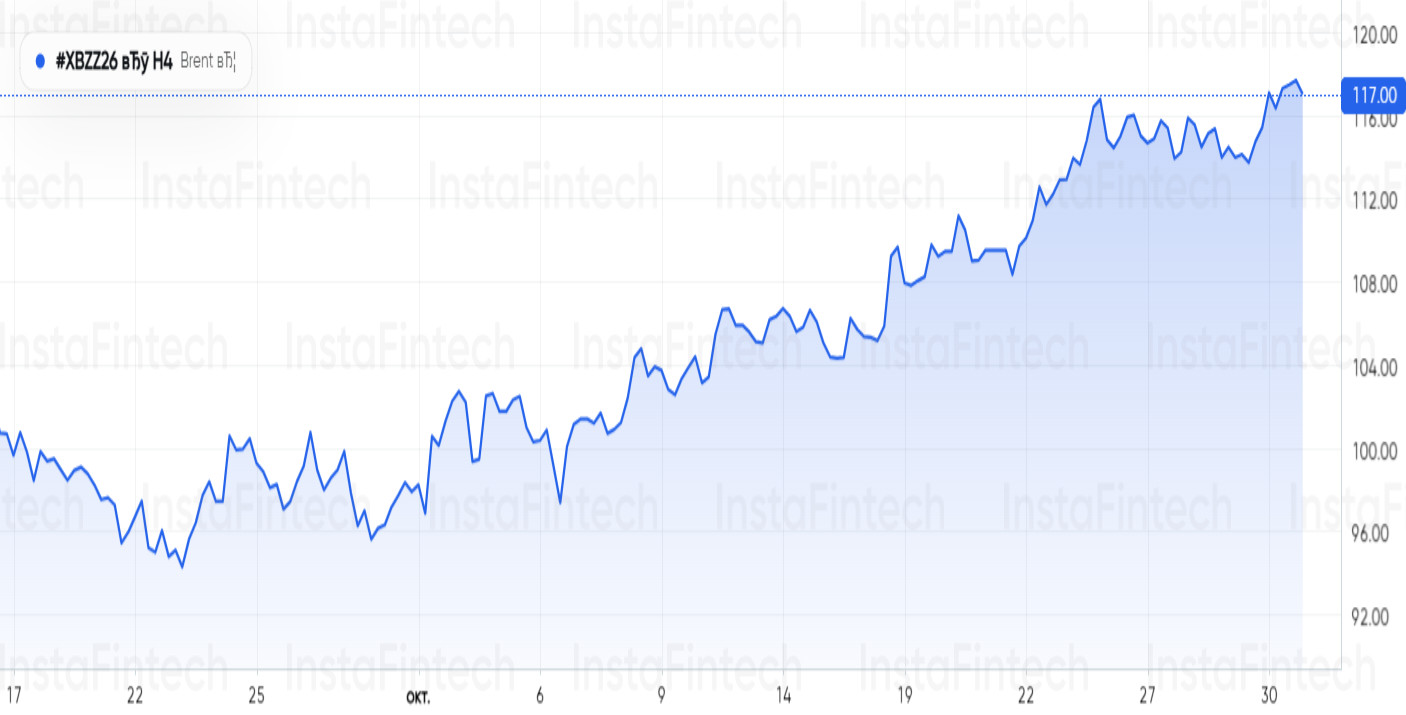
The session opened nervously: Brent briefly breached $107/bbl following news that the US struck targets on Iran's Qeshm Island, according to The Wall Street Journal, citing US officials.

The Pentagon also acknowledged a series of "limited strikes" against Iranian assets in recent weeks — actions it described as defensive measures to protect shipping in the Strait of Hormuz.

Tehran rejected the characterization. A senior Iranian official said the parties remain far from agreement and Iran will not accept "excessive demands" from Washington.

Just as the market was absorbing the military escalation, politics flipped sentiment. US President Donald Trump told Fox News: "We've already agreed that by the end of this year we won't be paying Israel," referring to multibillion-dollar military assistance. For Israel's partners, this announcement was a shock: The Times of Israel noted the existing $4 billion-per-year memorandum of understanding runs through September 2028.

Coupled with reports from Doha of negotiation progress with Tehran, Trump's statement helped deflate oil markets. Brent dropped sharply to a low not seen since October 8, though buyers clawed some of it back by midday ET, bringing Brent back near $103. Equity markets also responded: Europe's STOXX 600 reclaimed losses, and S&P 500 futures were cautiously higher.

This image is no longer relevant

Doha diplomacy and Monday's turning point

Tuesday continued a trend that started the day before. On Monday, Brent plunged by $8.66 (-7.63%) to close at $104.77 as markets tentatively priced in the prospect of an end to an eight-month conflict at the negotiating table. A Qatari foreign ministry representative confirmed Doha's mediating role and said the US and Iran are reviewing reciprocal proposals to narrow differences.

Elections and global economy's weakest point

All of this unfolded on US election day, adding a domestic political overlay. Higher fuel costs and war fatigue are central voter concerns, and market participants worried that a post-vote escalation could reignite fighting and push prices even higher. That fear is what lifted oil to a six-month high in October.

Not time to declare victory

Despite diplomatic hints, analysts urge caution. Despite positive signals, it is probably too early to assume escalation risks are behind us, ING analysts warned. They say only concrete, verifiable actions toward a peace settlement will allow prices to fall in a sustained way.

The market's main headache remains shipping security in the Strait of Hormuz, a chokepoint for crude and LNG. As long as this route is at risk, oil volatility will continue to roil the global economy.

Andreeva Natalya,
Analytical expert of InstaForex
© 2007-2026
Earn on cryptocurrency rate changes with InstaForex
Download MetaTrader 4 and open your first trade
  • Grand Choice
    Contest by
    InstaForex
    InstaForex always strives to help you
    fulfill your biggest dreams.
    JOIN CONTEST
  • Chancy Deposit
    Deposit your account with $3,000 and get $5000 more!
    In November we raffle $5000 within the Chancy Deposit campaign!
    Get a chance to win by depositing $3,000 to a trading account. Having fulfilled this condition, you become a campaign participant.
    JOIN CONTEST
  • Trade Wise, Win Device
    Top up your account with at least $500, sign up for the contest, and get a chance to win mobile devices.
    JOIN CONTEST
  • 30% Bonus
    Receive a 30% bonus every time you top up your account
    GET BONUS

Recommended Stories

Can't speak right now?
Ask your question in the chat.
Widget callback